
 Previous
I keep discovering more details about my ancestors in Cádiz, Spain around 1812
For a long time now I’ve been following the steps of María Ignacia and Cecilio through the world of Cádiz, Spain about 225 years ago.
Why?
Because it’s been possible to do so.
I can click at my keyboard from anywhere and find a new piece of information that reveals yet another amazing story about the lives of people I’m related to.
You can imagine how addictive that might be.
The fact is that Cecilio and María Ignacia — my 3rd great-grandparents — each left their enduring footprints in the history of Cádiz.
They both arrived in that city sometime in the 1780s, when Cádiz was the commercial and cultural center of Spain and its empire. It’s where they lived, prospered and raised a family until they passed away around 1840.
And since both of them — María Ignacia as much as Cecilio — were so involved in the activities and events occurring in Cádiz during extraordinary times, they left discoverable traces just waiting to be found.
My only option for finding traces of Cecilio and María Ignacia was to search online
About 5 years ago, I came upon the first details on Maria Ignacia Valiente y Mariscal (born 1772) and Cecilio de Zaldo y Huerta (born 1758).
It all began because I wanted to know more about my grandfather De Zaldo. I started looking for him online, but at first I only ended up discovering his grandfather, Ramón de Zaldo, who was María Ignacia and Cecilio’s son.
My mother, Adela de Zaldo y Moré, had never heard of any of those three names — María Ignacia, Cecilio, or Ramón.
My mother barely had information to share with me about her own father (my grandfather), whom she had lived with while growing up happily among a large family in Havana.
She did share a few wonderful anecdotes about her father and family in Cuba. But she didn’t seem to recall those more distant family relationships or stories that she might have heard.
And I had no one else to ask.
So, I turned to Google and research sources online, and I began to find the kinds of information my mother could never have known.
Surprising stories appeared, including about a woman at the start of the 1800s
The first thing I discovered was actually related to María Ignacia.
I had not expected to find anything about her, a woman at the turn of the 1800s, except perhaps her name as a wife.
I’m still incredulous to have learned that María Ignacia was part of a women’s charity organization in Cádiz, one of the first in Spain, which she helped to establish.
This was remarkable, because in the Spain of her time, women were not permitted to take part in almost anything outside of the home.
I then started to find more information about Cecilio, seeing him in a number of positions and involved in different government agencies, societies and trade associations through the years.
The discoveries, and added details, about Cecilio and María Ignacia continued.
And as I kept learning more about the organizations and causes they both took part in, the people they collaborated with, and the events they lived through, I became mesmerized.
Not only was it the amount and variety of information I was finding, but also the picture that was unfolding.
It was all so surprising.
The founding of the Bank of Spain? Living through Napoleon’s Siege of Cádiz? The famous artist Goya?
In addition to mesmerized, I became more determined.
I dug deeper to find the details that would fill in gaps or confirm relationships with people they possibly knew.
And as increasing numbers of documents were being scanned and uploaded worldwide, I rode the wave of new research sources becoming available to me, seemingly every week, through the years.
The creative strategies in my searches paid off, and it’s just been exhilarating.
I was learning so much about a city and an era in Spanish history that were both exciting and unfamiliar to me.
And I had to completely reframe what I had imagined before about my not-too-distant family.
I had pictured these closer relatives living in Cuba during those times, not in Spain making history themselves through far-reaching world events.
What else could I find about these ancestors?
There’s a great deal of information still out there – the resources available online, plus archives and library collections that can only be accessed in person. I love this process of search and find.
But, really, I do need to stop researching now.
Or, rather, take a break.
You see for years I’ve been promising my cousins that I was going to complete an overview of what I’ve learned to date about the lives in Cádiz of our 3rd great-grandparents and of their son Ramón, our grandfather’s grandfather.
This presentation of the stories I’ve been planning, through a digital experience, is long overdo.
My cousins know nothing about the Cádiz of Cecilio and María Ignacia, and I’m so excited for them to be amazed and mesmerized by these stories, too.
My sources for genealogical information are broad, and I keep spotting clues
To date, the information I’ve found about María Ignacia and Cecilio is enough to reconstruct their lives fairly well.
I’ve also collected place locations related to their home and activities to visualize the paths they took as they walked through the city center of Cádiz where they lived.
All these details about my family, people who were born over 250 years ago, I found mostly by hunting and clicking online.
I came across this information in documents, directories, and newspapers of the era; in old Spanish, French and British books, archives and personal accounts; and in more recent historical research papers and articles.
Even resources from past centuries in the US, Mexico and Portugal have provided me with information to join facts and connect the people that Cecilio and María Ignacia had known.
Re-learning history gave me the context to understand their world
In my research to understand Cecilio and María Ignacia, I’m also delving into history.
What was their outlook on the world during the transformative years bridging the 18th and 19th centuries?
It’s true that history is so much more engaging when you have a connection to an era or specific events. And for family stories, you want both the broader perspectives and the details to put your people into context.
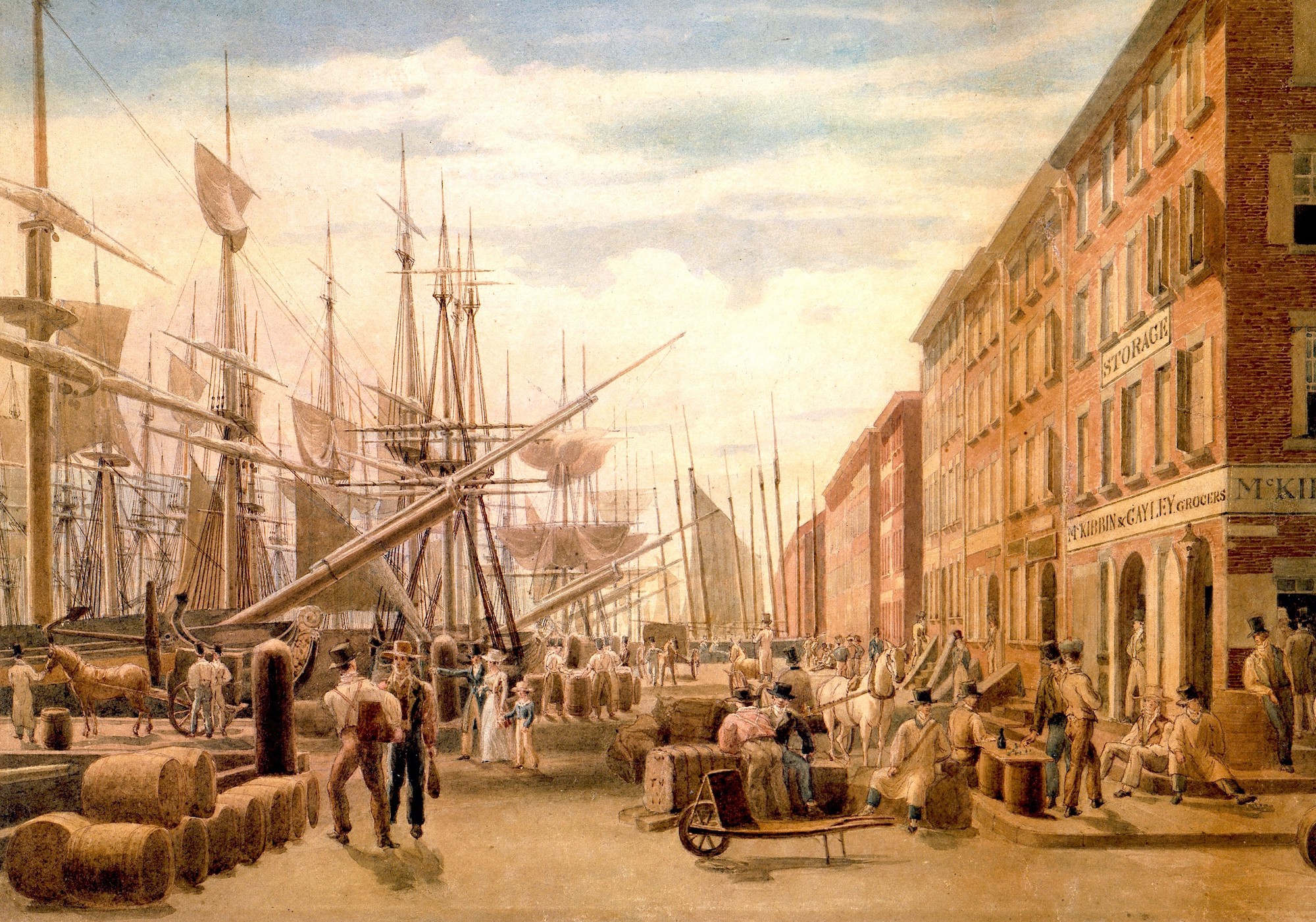
To relate to my family’s era in Cádiz, I’ve needed to re-learn the interrelated histories of Spain, Britain, France, the colonies in all the Americas, and the United States which had just declared itself an independent country in 1776.
The late 1700s and early 1800s were revolutionary and contentious times — when control of land, trade routes and governments was continually being challenged, and the alliances and maps on both sides of the Atlantic were changing every few years.
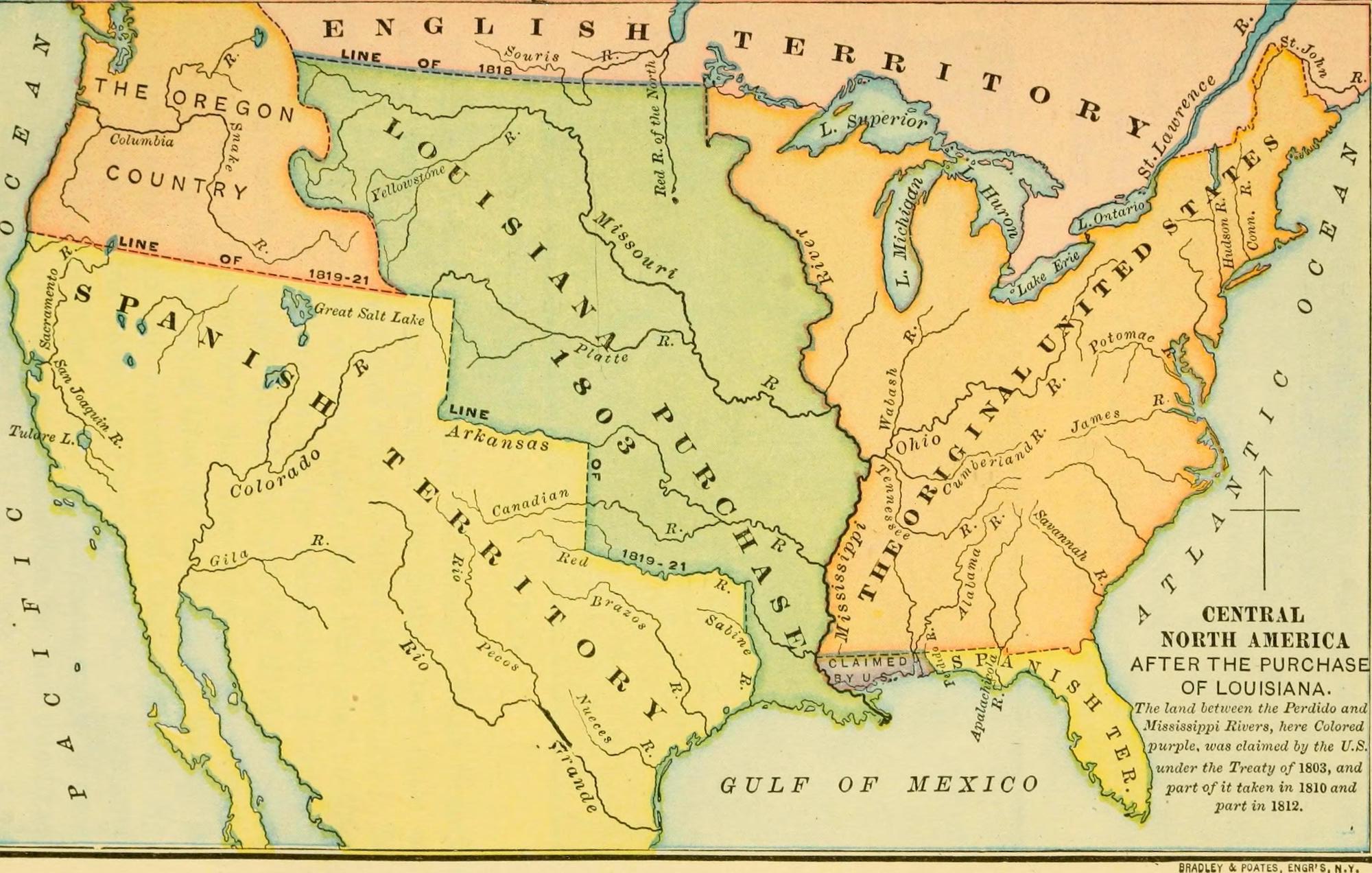
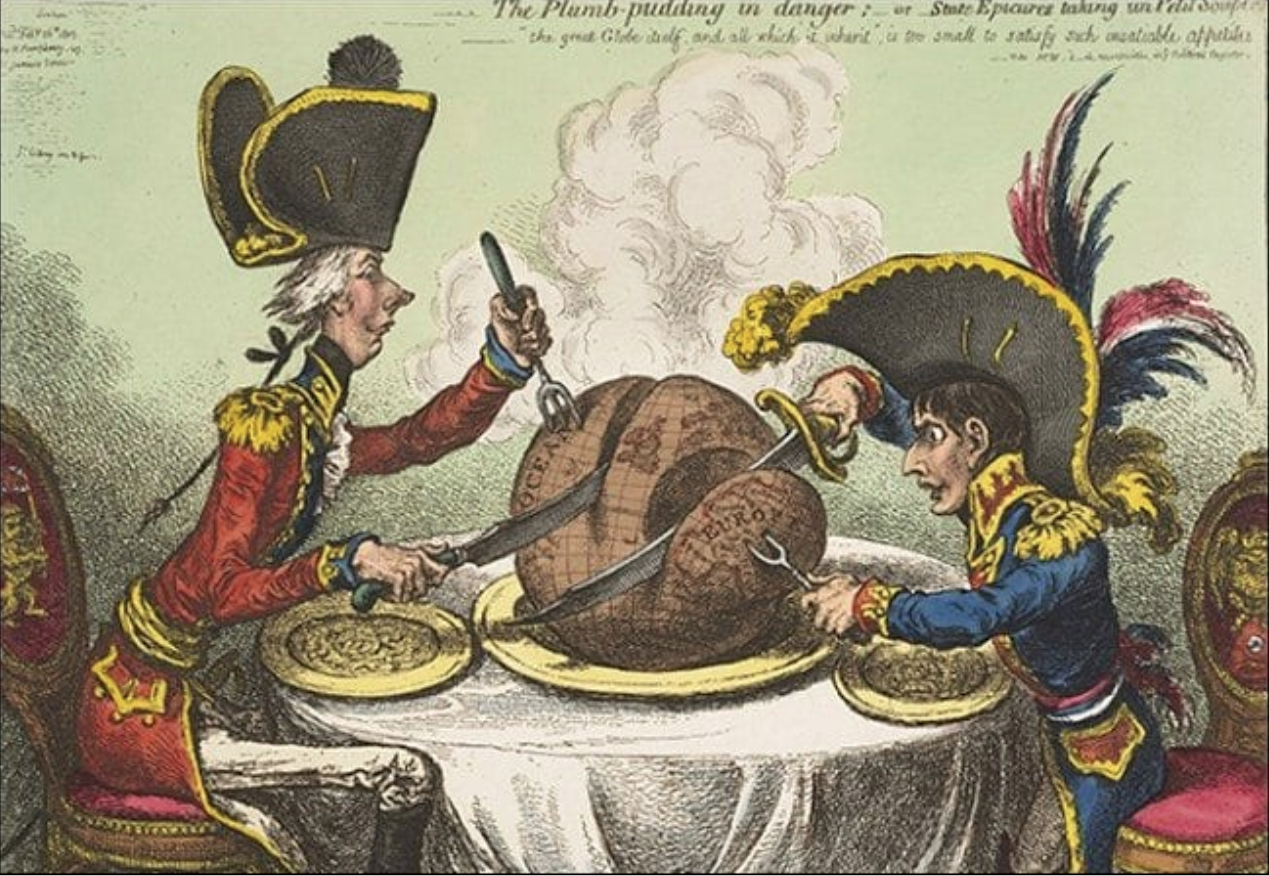
But, actually, within those larger events it’s the smaller stories that are the most intriguing.
For instance, I discovered that Cecilio and María Ignacia were friends with diplomates who negotiated treaties with France and the US, and that Cecilio invested in a new crop that had been brought from Mexico to the Andalucía region of Spain to create a product needed in the textile industry.
I’m sure that through high school and university I was introduced to many interesting details about this period of history between Europe and the New World. But they made no lasting impression on me.
Now, however, I have a stronger motivation to remember.
This time those details are adding color and richness to visualize stories I really want to learn.
Of course, recently these Cádiz-era stories have grabbed most of my attention, but I’ve also studied the history of later periods related to the children and grandchildren of Cecilio and María Ignacia.
Many of them migrated, traveled often and, like their parents or grandparents, were directly involved in historic world events.
Now, with a better understanding about relations across the Atlantic over a few centuries, I can see how circumstances affected the lives of María Ignacia, Cecilio and all of their descendants, including me.
These history lessons — helping me imagine how my family perceived the world — are ones I won’t soon forget.
Maps helped me visualize locations and urban changes in Cádiz
In addition to old documents and recent studies, maps have been a wonderful source of insight.
There were many maps created during those years detailing the strategic city and port of Cádiz.
Some show the situations during enemy attacks by Britain and France, and others reflect the urban changes from the time before, during and after María Ignacia and Cecilio lived there.
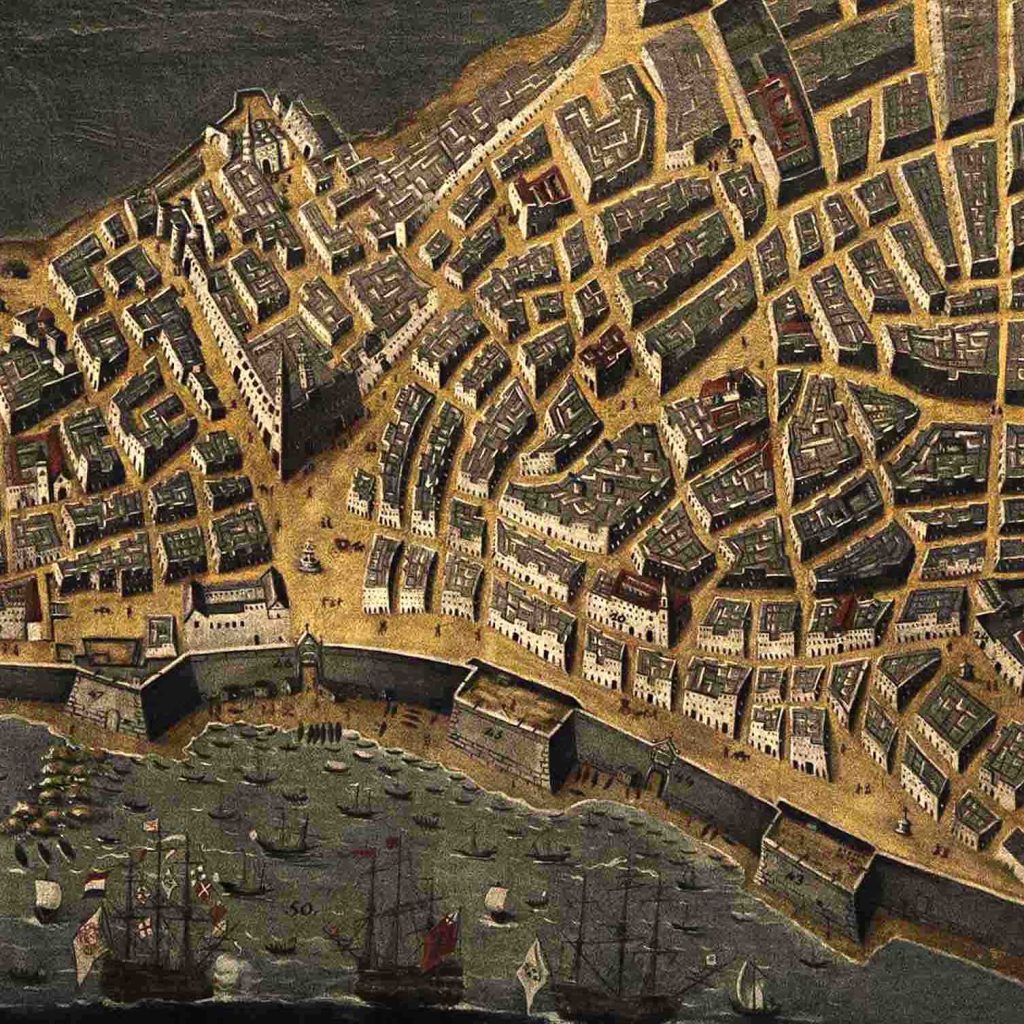
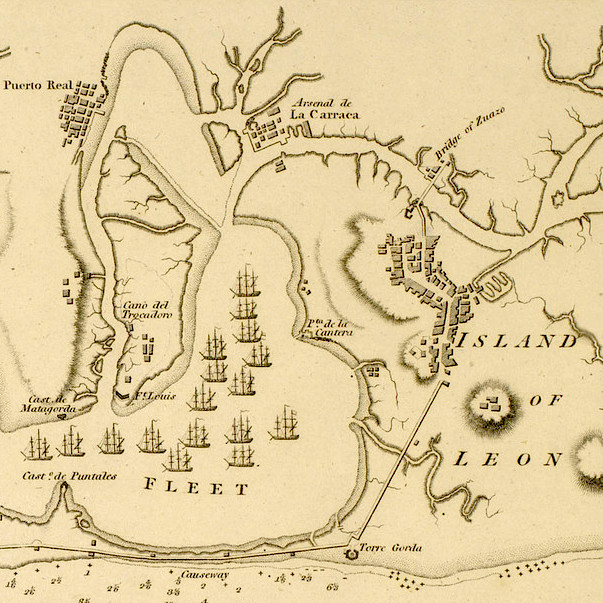
The streets and their names actually changed quite a bit in the walled city of Cádiz between the late 1700s and through the 1800s.
I relied on old maps —and on the help of two very kind historians and professors in Cádiz — to locate the places the family had lived and frequented. This project was quite fun for me, although a bit of a challenge to work out.
And again Google, or specifically Google Maps, was a modern tool that made it possible to zoom into an ancient city from my laptop or iPhone and to explore its layout and see street views of the old buildings.
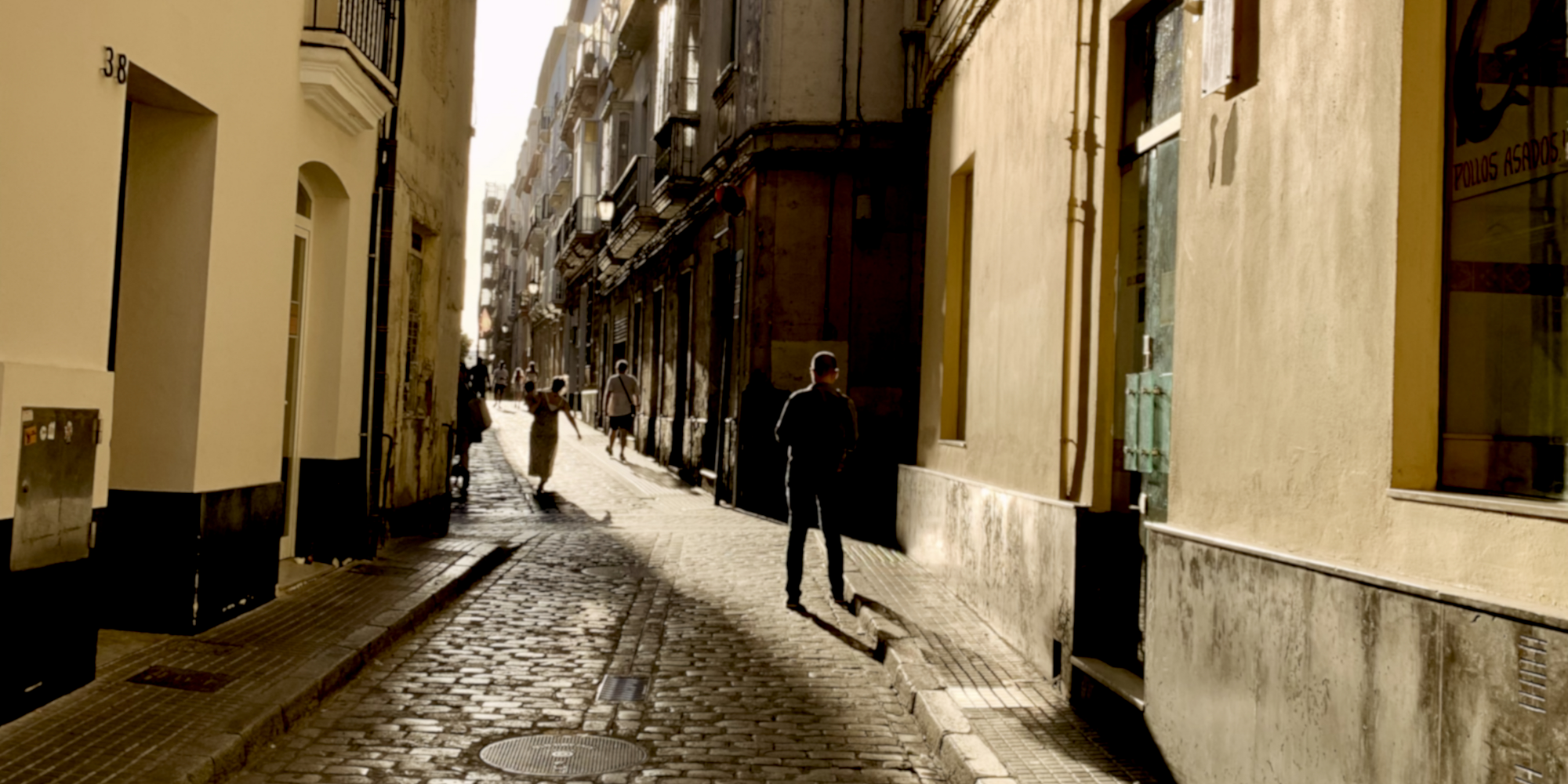
I walked virtually, online, through much of Cádiz before I ever visited for the first time last year.
All of my research to date — through history, printed documents and maps — has only left me with more questions to be answered and more ideas on how, and where, to search next.
As I get to know this family in Cádiz, I’m also learning about myself
My motivation in all of this was get to know these ancestors well, not just collect a list of dates and places for a family tree.
Who were they, Cecilio and María Ignacia?
Where had they been before Cádiz? And what had been important to them during their lives?
It’s amazing how much I’ve found, the stories I’ve assembled, and how I am becoming so familiar, bit by bit, with these two fascinating people.
And as I reflect on what I know so far about them, I recognize that some of their interests and priorities in life are similar to mine.
Perhaps some part of María Ignacia or Cecilio, in some way, has been passed on to me through the generations of my family.
Their activities in Cádiz formed the circumstances in which they raised their children
In addition to getting to know this couple, I also wanted to have an idea about how their son had grown up, my great-great-grandfather Ramón.
He was born in 1806.
What did he experience through his childhood and years of education, before he traveled to the Americas, back and forth to Cádiz, and then never returned again to Spain?
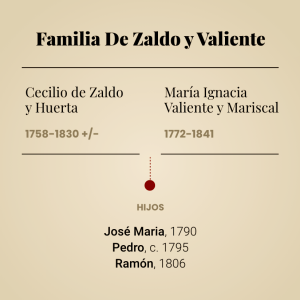
If you take in the details of María Ignacia and Cecilio’s activities it’s possible to develop a sense of the family’s domestic and social life during those years in Cádiz, between 1780 and 1840.
And it seems that their political ideas, their friends and associates, in addition to the Napoleonic war and other historic events in Cádiz during that era, all created the environments and a set of social connections that later greatly influenced the lives of Ramón and of María Ignacia and Cecilio’s two other sons.
How I'd love to visit with these two fascinating people who are related to me
With all that I have discovered, I’m still not satisfied.
I want to become more familiar with these two ancestors of mine, Cecilio and, above all, with María Ignacia.
Since I first started learning about them I’ve had time to consider their situations and the choices they made in life.
And I’m still so drawn to their stories.
It’s because this dynamic couple was continually engaged in the events happening around them. María Ignacia’s participation in public activities was most startling.
What did I find so intriguing?
For one thing, they had contrasting interests. They mingled among their wealthy merchant class and with aristocratic friends, yet they stayed active to improve the lives of those in Cádiz who were much less fortunate.
They also put themselves in the front lines of duty.
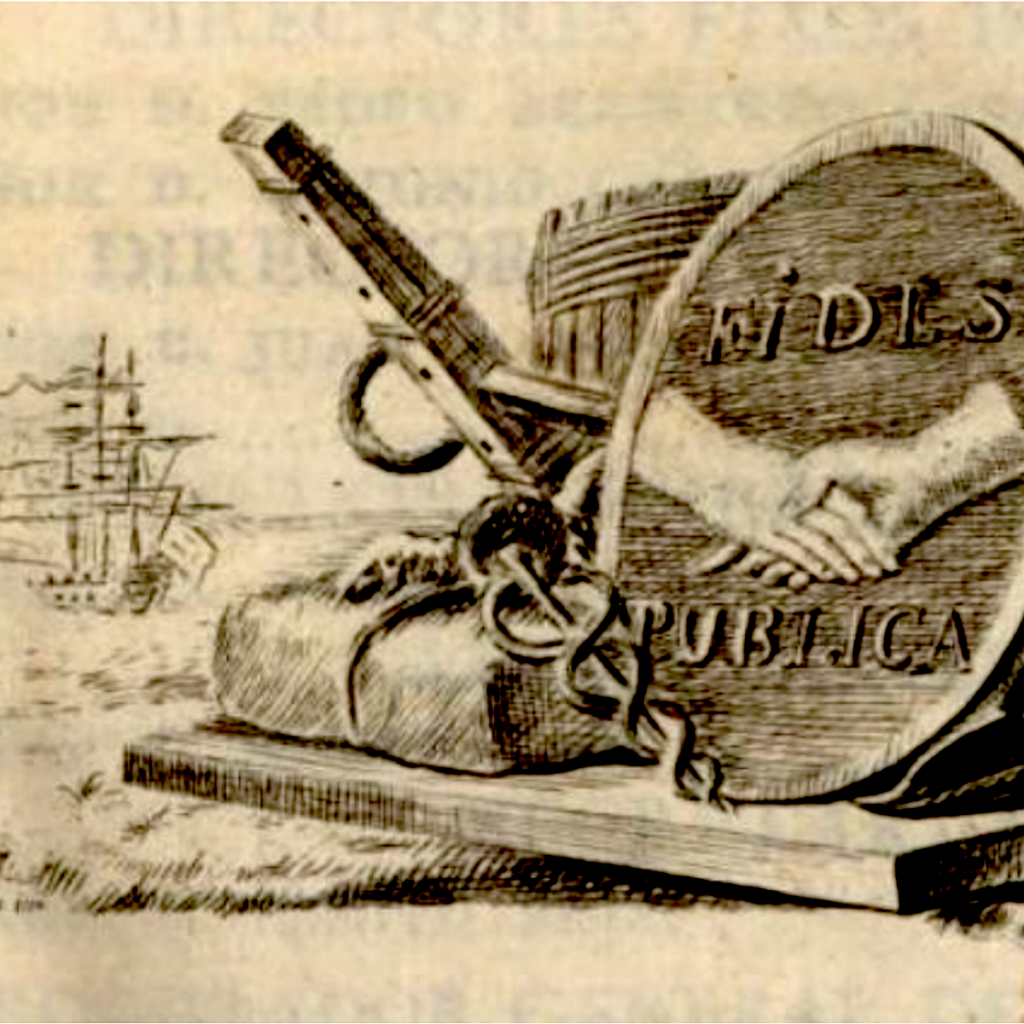
During the horrifying years of war in Spain when the country was fighting against Napoleon, both of their efforts made a direct impact: María Ignacia on the welfare of soldiers in battle, and Cecilio on the city’s food supply, as well as on the continuity of the national government which had re-located from Madrid to Cádiz during the war.
And through the years, the work of this seemingly tireless couple contributed to the development of culture, education and industry in the city that was their adopted home.
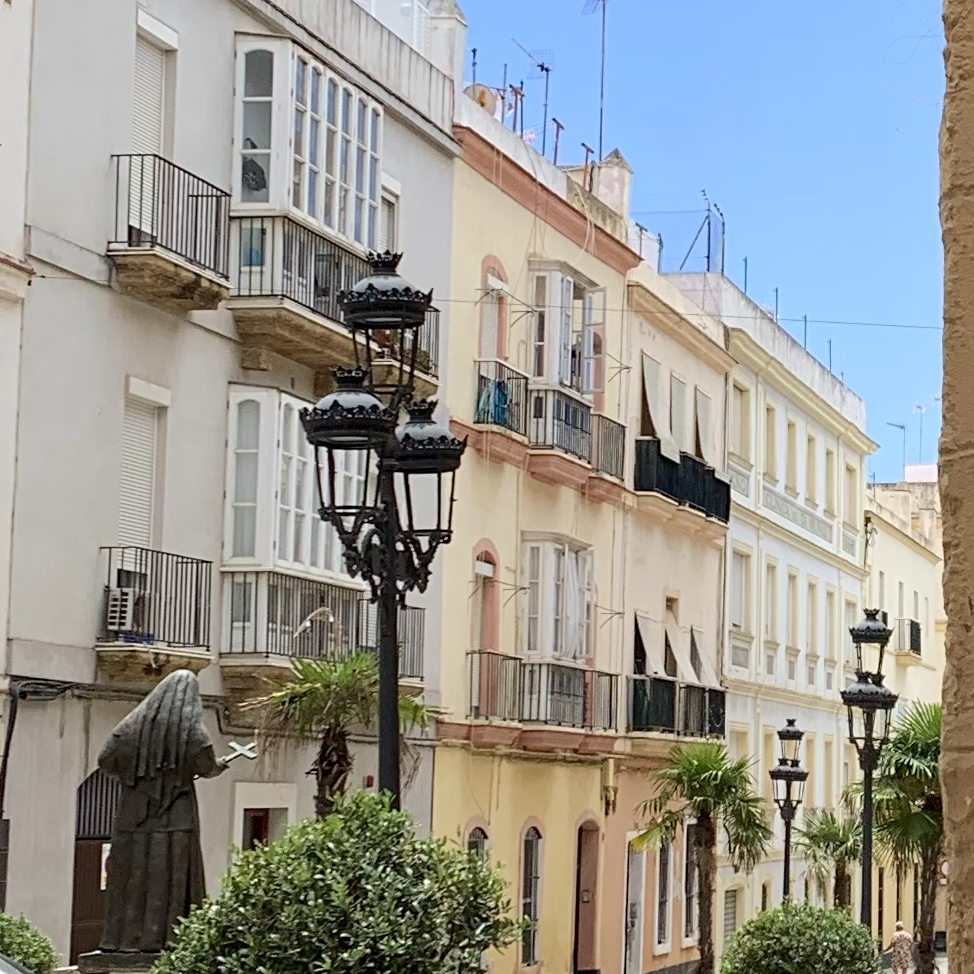
I try to imagine being with them in person, traveling back in time to look into their eyes.
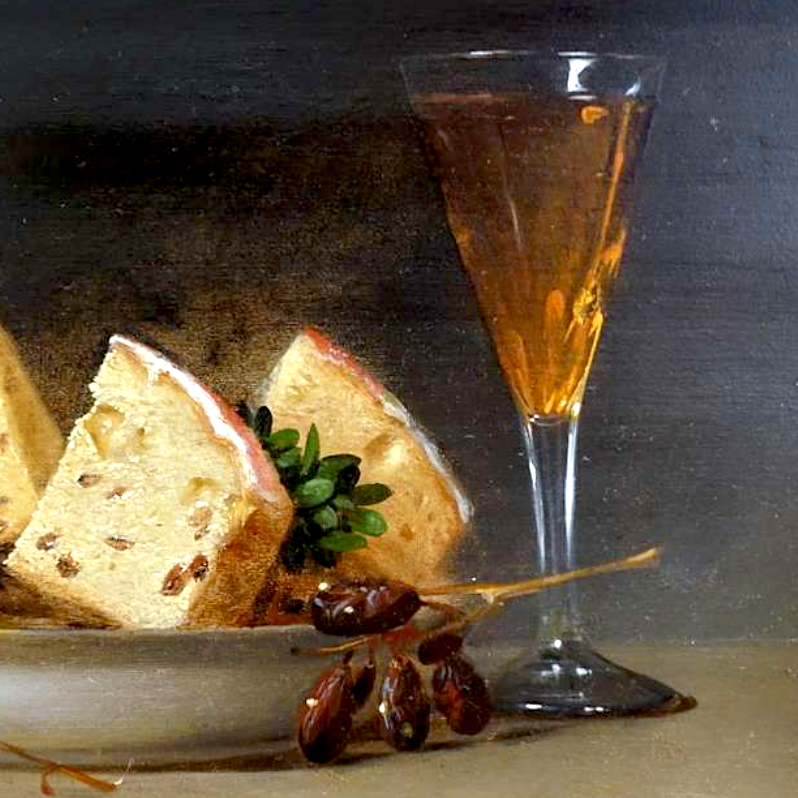
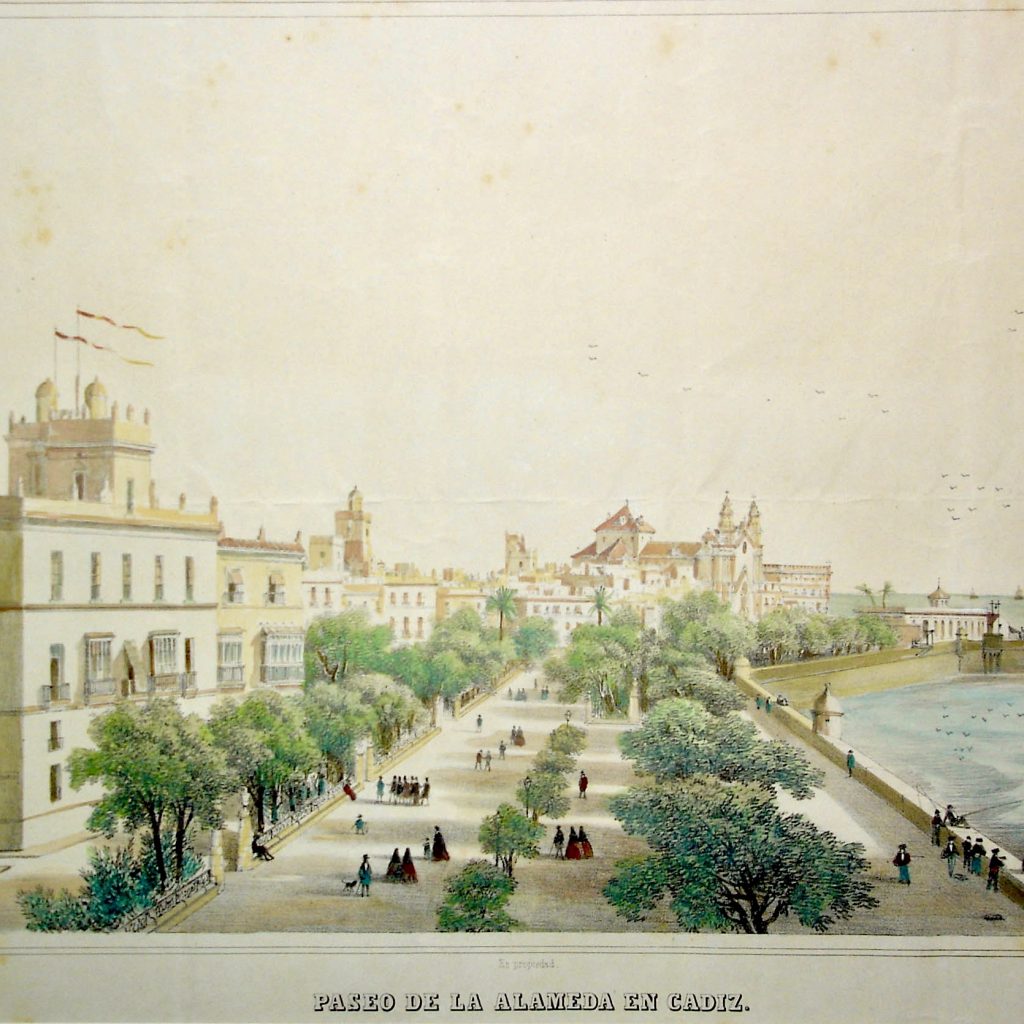
How I would love to hear their voices, as we shared a fine sherry by an open balcony in their home, then to walk with them through the narrow streets and along the waterfront promenades in the Cádiz of their time.
As I write these words I can almost feel such an experience, and almost feel them here with me.
Happily, there are still clues to follow
I keep a list of different ideas that might lead to new findings. I know there’s even more I can learn.
What else were they doing in Cádiz over two centuries ago, Cecilio and María Ignacia and also their sons?
Each detail I find — be it another acquaintance or commercial endeavor, family connection or unexpected journey — gives me another peek into their day-to-day lives and greater insight to imagine who they were.
Thank goodness there are steps left to follow and new surprises to find.